

If you’re looking for a truly authentic Neapolitan pizza dough recipe, you’re in the right place. Today, we’re diving deep into what makes this dough so legendary and I’ll show you how to recreate it at home with just a few simple ingredients. With chewy edges, crisp bottoms, and that perfect light center, this dough is a staple for pizza lovers. We’ll answer common questions like how it differs from other doughs, what makes it so special, and what the mysterious “55 rule” is. Let’s bring Naples to your kitchen one pizza night at a time.
Table of Contents
Table of Contents

My Story Behind the Perfect Neapolitan Pizza Dough
Growing Up With Pizza Night Traditions
Hi! I’m Diana Carter, a 26-year-old mom of three from just outside Asheville, North Carolina. In our house, Friday nights are sacred that’s pizza night. And not just any pizza. I’m talking flour-dusted counters, bubbling tomato sauce, and the unmistakable smell of a Neapolitan pizza dough recipe rising overnight.
When I was little, my Nonna didn’t have fancy tools. She had time, her hands, and a love for doing things right. She’d start the dough in the evening and talk to it like it could hear her. Now that I’m a mom, I get it she wasn’t just feeding us, she was grounding us. So when I stir my own dough, I think of her, and I watch my kids press their little fingers into the soft, pillowy surface the next day.
Why Neapolitan Dough Matters
This dough isn’t rushed. It asks you to slow down and trust the process. What makes Neapolitan pizza dough different is the simplicity: just a handful of ingredients ‘00’ pizza flour, salt, yeast, and water but time is the magic. After a slow overnight rise, the dough becomes tender, stretchy, and bakes into a crust that’s lightly charred on the outside and airy inside. That signature chew can’t be faked.
I often pair our pizza nights with ideas I’ve pulled from my own blog favorites, like using a cauliflower crust from this low-carb pizza recipe or mixing things up with this bruschetta-style pizza. But when it’s Neapolitan night, we go classic just dough, sauce, mozzarella, and a few torn basil leaves. Pure joy.
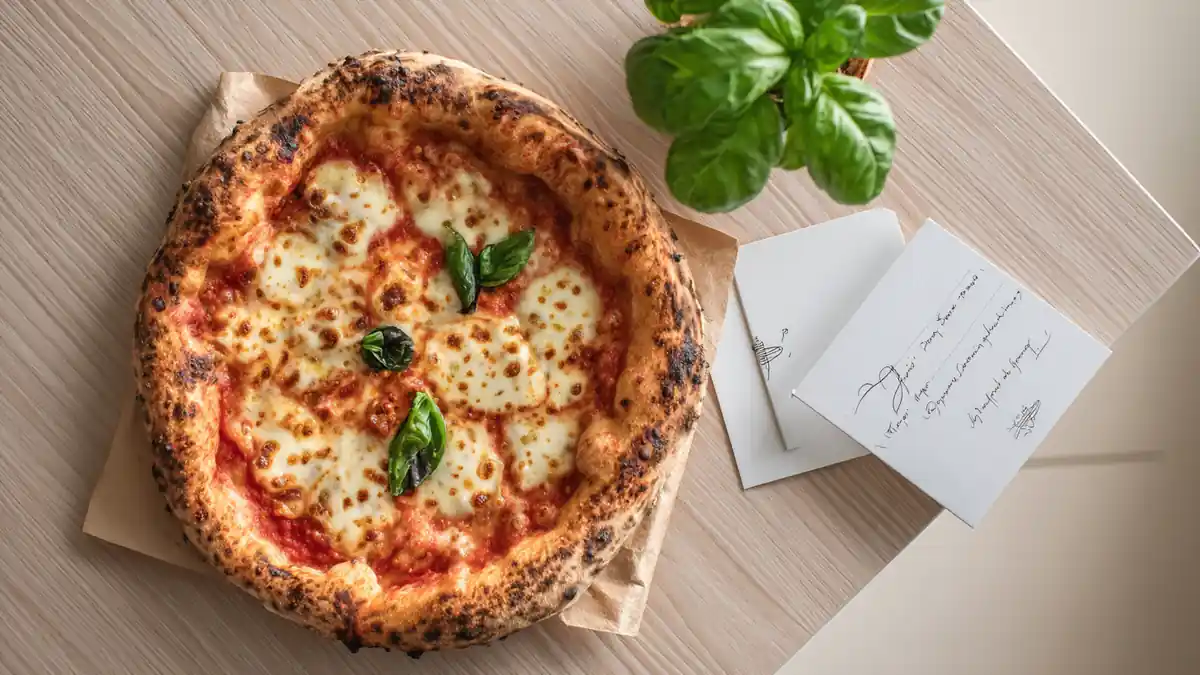
Neapolitan Pizza Dough Recipe: The 1-Day Dough For Authentic Results
Ingredients
Method
- 1. Mix flour, salt, sugar, and yeast in a bowl
- 2. Add lukewarm water and stir until a rough dough forms
- 3. Cover and rest at room temperature for 12–24 hours
- 4. Divide dough into two balls (~200g each) and stretch/fold each side
- 5. Shape into tight balls and place seam-side down in floured bowls
- 6. Let rise for 45–60 minutes
- 7. Preheat oven with stone/steel to 500–550°F for at least 30 minutes
- 8. Stretch dough gently into 10–12″ circle, leaving edges untouched
- 9. Top lightly with sauce, mozzarella, and basil
- 10. Bake for 6–8 minutes, broil 2–3 mins for charred crust
- 11. Slice and serve hot
Nutrition
Notes
Tried this recipe?
Let us know how it was!
What Makes Neapolitan Pizza Dough Different
Secrets Behind Authentic Neapolitan Dough
If you’ve ever wondered what sets a Neapolitan pizza dough recipe apart, the answer lies in its strict simplicity and patience. Traditional Neapolitan dough uses only four ingredients: “00” flour, salt, yeast, and water. No oil. No sugar. Just clean, minimalist flavor. But the real secret? A long fermentation.
This dough needs time. At least 12 to 24 hours of resting at room temperature transforms it into something extraordinary. During that wait, gluten develops slowly, creating a soft, elastic dough that’s easy to stretch by hand and bakes up light and chewy. This slow-rise process also boosts digestibility and adds that subtle fermented flavor true pizza lovers crave.
The flour used here is also unique. Italian “00” flour like the one in the original King Arthur recipe — is milled ultra-fine. This allows the dough to hydrate better, stretch thinner, and bake into a crust that crisps without cracking. It’s this balance that gives Neapolitan pizza its unmistakable texture.
How Neapolitan Dough Differs From Other Styles
Unlike New York-style pizza, which often includes sugar and oil for a denser chew and browner crust, Neapolitan dough is delicate. It’s not made for heavy toppings. This style shines when it’s kept simple tomato sauce, fresh mozzarella, and maybe fresh basil.
The dough’s high hydration and fine flour mean it reacts beautifully to high heat. A preheated baking stone or steel — like the one used in our Dominos stuffed crust recipe will help mimic a wood-fired oven’s blistering effect at home.
Neapolitan pizza is about balance. The crust isn’t just a base it’s the main character. If you’re tempted to try something different after this, check out our soft Italian Easter bread equally magical in its own right.

How to Make the Perfect Neapolitan Pizza Dough
Mastering the Stretch and Fold
Making Neapolitan pizza dough is about touch, timing, and trust. Once you’ve mixed your ingredients, you’ll notice the dough feels a little rough at first. That’s okay. It doesn’t need to be smooth yet. Cover the bowl and leave it on your counter overnight. In the next 12 to 24 hours, magic happens.
The next day, you’ll divide the dough into two portions. Each piece should weigh about 200 grams. Now it’s time for the stretch and fold technique. Take one end of the dough and gently pull it outward before folding it back onto itself. Rotate and repeat on all four sides. The dough will feel sticky, but resist the urge to overflour it. It’s supposed to be soft and slightly tacky. This method builds the gluten without kneading and helps form the dough’s internal structure.
After shaping each ball, let them rise again in individual floured bowls. The result is a smooth, bubbly dough that stretches easily without tearing. While it rests, preheat your oven with a baking steel or stone for at least 30 minutes. The goal is to mimic the scorching heat of a traditional pizza oven.
Baking it Just Right at Home
Once your oven reaches 500 to 550 degrees Fahrenheit, you’re ready. Place your stretched dough on a floured peel or parchment, then add your sauce and toppings. For a classic Neapolitan, keep it simple with crushed San Marzano tomatoes, fresh mozzarella, and a few basil leaves.
Slide your pizza onto the hot stone. Bake for 6 to 8 minutes, then finish with a top broil for a bubbly, blistered crust. This quick blast gives you that iconic char and texture.
If you’re new to high-heat baking, using parchment paper can save your crust from sticking and your nerves from fraying. You can also draw inspiration from our cinnamon roll focaccia technique, which also starts with high-hydration dough and a warm environment for proofing. Or explore our bread with most fibre to learn more about how dough texture can change with ingredients.
Common Questions About Neapolitan Pizza Dough
What is the secret to Neapolitan pizza dough?
The secret lies in three things: time, temperature, and texture. Using “00” flour gives the dough its fine structure, while a long fermentation develops both flavor and elasticity. The dough should rise slowly at room temperature, which helps build depth without commercial additives. A hot baking surface finishes the job, creating that tender center with a blistered edge. And remember, less is more. With a simple base, your crust becomes the star.
How is Neapolitan pizza dough different from others?
Neapolitan dough doesn’t include oil or sugar, unlike many American pizza recipes. It also uses higher hydration, which means the dough is wetter and softer. This makes it stretchier and creates those signature airy pockets once baked. It’s not intended to support heavy toppings. Instead, it shines with minimal ingredients, letting the charred, chewy crust take the spotlight. If you’re curious about dough alternatives, our senorita bread also uses a long-proofing base for fluffy texture, but with a sweet finish.
How to make the perfect Neapolitan pizza dough?
Start with “00” flour, lukewarm water, salt, and just a pinch of yeast. Mix into a rough dough and let it rest overnight at room temperature. The next day, stretch and fold gently, shape into balls, and proof again. Then stretch the dough by hand, leaving the outer rim untouched to encourage a puffed crust. Top lightly, bake on a stone, and broil to finish.
What is the 55 rule for pizza dough?
The “55 rule” refers to a common hydration ratio in grams: 55% water to 100% flour. Traditional Neapolitan dough often goes higher, around 60% to 65% hydration, making it more elastic and lighter after baking. While 55% creates a firmer base, true Neapolitan dough benefits from a slightly wetter ratio. Just like our gluten-free pizza crust, adjustments in hydration impact flavor and texture dramatically.

For mor recipes follow me in facebook.
Final Thoughts
There’s something comforting about flour-dusted hands, a warm oven, and the smell of pizza baking from scratch. With this Neapolitan pizza dough recipe, you’re not just making dinner you’re making a moment. Whether it’s a weeknight tradition or a weekend treat, this dough brings people together. It’s okay if your pizza isn’t perfectly round or your basil lands a little off-center. That’s not the point. What matters is the love you bake into it.
So gather your family, preheat that oven, and stretch your dough with confidence. Naples isn’t far when your kitchen smells this good.

Leave a Comment